How it works
Two levels: first your series (its characters), then its episodes, which all follow the same steps. On every episode page you see these steps, which one is done, and what comes next.
The series
Once per series. Everything the episodes reuse: the characters, their portraits, their voices.
Each episode
Seven steps, always in this order. The studio does the heavy ones; you write, check and decide.
The genres
A series picks its genres at the start; the age of its audience sets the length, the pace, the style and the music of each.
Story
A short adventure with spoken lines, one simple lesson, the heroes talking to the camera.
For example: « Katniss and Chloé learn to share a toy. » · the characters' voices, lip-synced close-ups
Song
A sing-along: one sung track from the lyrics, a gesture per line, karaoke words on screen.
For example: « Clap your hands, stomp your feet, jump! » · a child choir sung by the music model
Tale
A read-aloud story: a narrator over still pictures with a slow camera move, no lip-sync.
For example: « The little cloud who was afraid of the rain. » · the series' narrator in voice-over
Lesson
ABC, colours, numbers: the letters and figures burnt in by the studio, never drawn by the model.
For example: « The letter A with an apple, an ant and an airplane. » · a narrator and the characters
Game
A guessing game: which door, where is it hiding, a pause for the child, then the reveal.
For example: « Which door hides the rabbit? » · the characters, the narrator asks
Compilation
Several episodes in a row with an intro and an outro: 10 to 30 minutes of watch time.
For example: « The five adventures of season one. » · the episodes' own sound
Lullaby
Slow pictures and soft music for 20 to 60 minutes, to fall asleep to.
For example: « Good night, little forest. » · soft music, no words
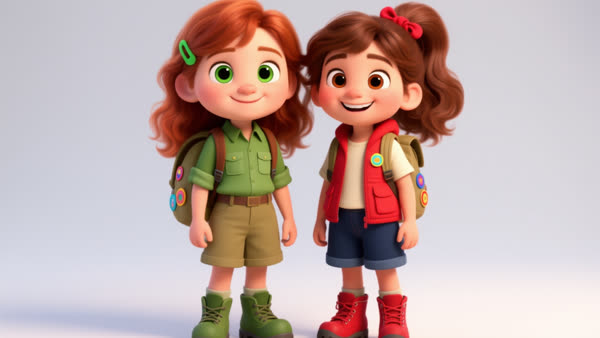
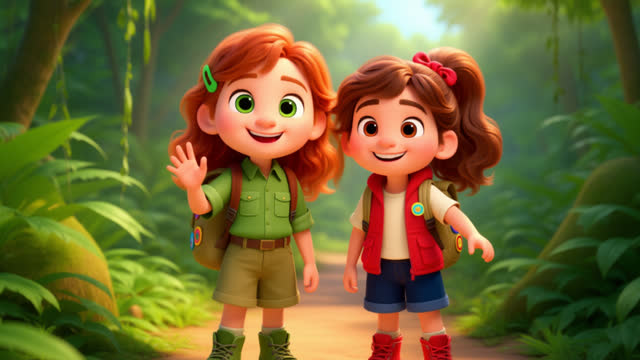
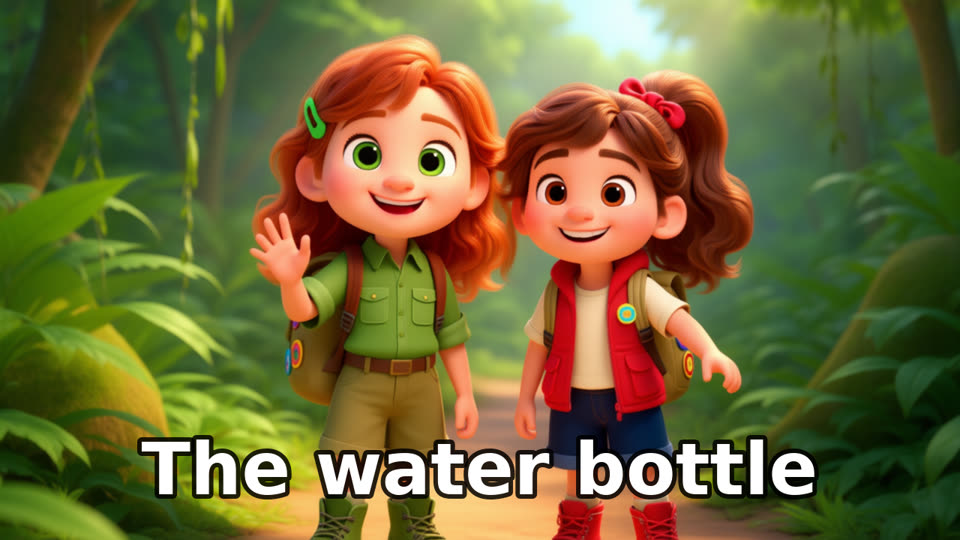
An example: “Katniss's Adventures”, episode 1
The same steps, with what they produced.
How the line works
Videos are made one at a time, first come first served. You see your position in the line, then the progress of your video. Your next episode waits in “ready” and joins the line when your current one is done, so everyone gets their turn.
You only pay for what you generate: the cost is shown before you launch, and your balance is the only limit. Nothing goes public without your explicit choice.
With your AI assistant
In Account, create a personal token and add the studio as an MCP server: https://monokapi.com/mcp, header Authorization: Bearer <token>. Your assistant reads the bible and the writing rules, writes the episode, runs the steps and hands you the links. It is the alternative to the Anthropic key: your LLM does the writing.